
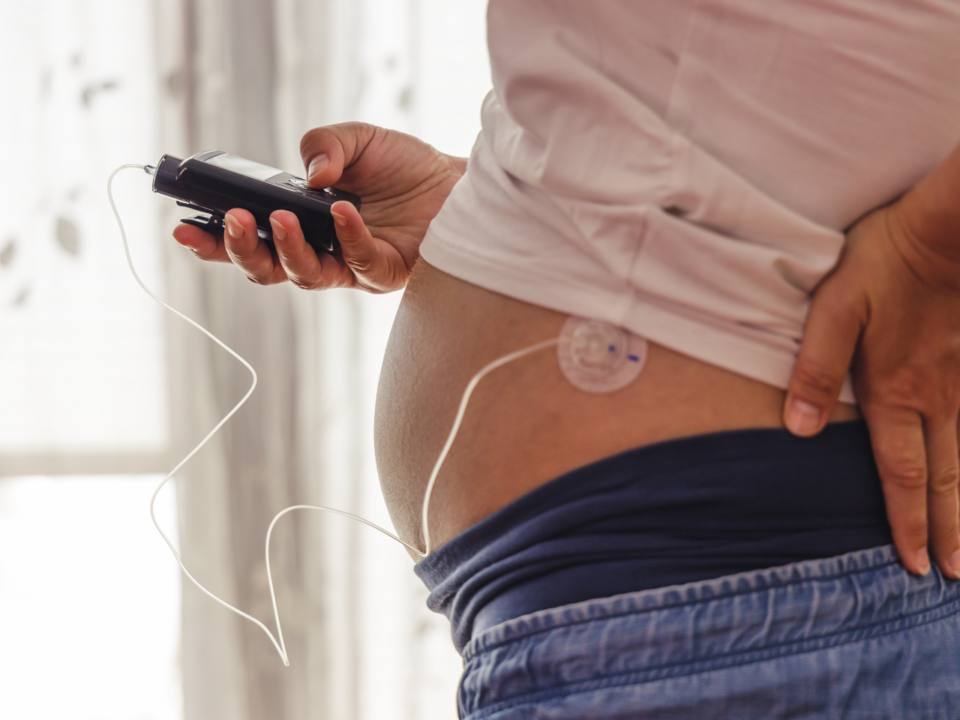
Finding out you’re pregnant for the first time comes with a mix of excitement, nervousness, and a million questions. That’s normal for every woman. But for a woman managing diabetes, that moment may bring an extra layer of concern. With the right planning and support, however, a diabetes diagnosis won’t define the pregnancy journey.
Understanding Diabetes in Pregnancy
Diabetes comes in three different forms: Type 1, Type 2, and gestational. According to the CDC, diabetes occurs when the pancreas makes either very little insulin or none at all. Simply put, insulin is a messenger that helps transform blood sugar into energy in our bodies; with diabetes, insulin has to be managed manually rather than naturally. Type 1 is typically diagnosed early in a person’s life, while Type 2 develops later on. Gestational diabetes, rather, develops in pregnant women who have never had the disease.
As of 2025, diabetes during pregnancy is reported to affect about one in six pregnancies. Joseph R. Biggio, MD, chair of women’s services and maternal-fetal medicine (MFM) at Ochsner Health, explains that, for someone with diabetes deciding whether to pursue pregnancy, it’s important to talk to their OB-GYN and endocrinologist, who can evaluate their diabetic history and look for any red flags that may pose risks. If there are no preexisting-risks, taking the necessary steps to prepare for a safe experience is the next step.
First Steps to Consider
Start by coming off any medications used to treat diabetes that are not recommended during pregnancy, and transition to a safe alternative. Dr.
Biggio also recommends taking folic acid at least three months prior to pregnancy to reduce the risk of spina bifida or neural tube defects.
“We know that people who have blood sugars that are significantly elevated around the time of conception are at an increased risk for miscarriages, as well as an increased risk of having babies with structural problems,” he says. The most important thing to do is to maintain tight control of blood sugar levels—even before attempting conception.
“Not much is dramatically done differently during pregnancy in terms of monitoring diabetes and controlling insulin; it’s just a little more control and an emphasis on monitoring more regularly than someone who’s not pregnant,” Dr. Biggio says. Starting a pregnancy with a healthy head start typically leads to a favorable outcome.
Real Life, Real Experiences
Lindsay Cohen, RDN, LDN, CDCES, and owner of Mama-Betes, was diagnosed with Type 1 diabetes in her youth. During pregnancy, she had to adjust her day-to-day habits to fit a new routine. Lindsay was surprised by how quickly her blood sugars changed and how frequently insulin adjustments were needed. She shares that it means going back to the basics: carb counting, weighing in and measuring foods, and focusing on insulin timing. She even tracked her blood sugars and insulin dosages on paper to review weekly with her MFM team.
“I constantly reminded myself of the ‘why’ behind the constant monitoring—a healthy baby was more important to me than anything else. I knew that once the baby was born, I could be a bit more lenient with my blood sugar control,” says Lindsay.
When certified culinary scientist, food scientist, and author Jessica Gavin of jessicagavin.com was diagnosed with gestational diabetes, she felt guilty, overwhelmed, and surprised. “Pregnancy is already a stressful time, and the thought of closely monitoring everything I ate felt daunting,” she reflects. But she leaned into learning. Testing her glucose four times a day felt like a personal experiment, and tracking her meals and results taught her which food combinations worked best.
“Once you figure out what works for your body, it gets easier. There may be some trial and error, but that process builds confidence. It turned into a challenge I could solve, and those lessons still influence how I eat today,” says Jessica.
For both Lindsay and Jessica, finding community, joining programs, and leaning on support systems of women going through similar experiences helped them feel less alone.
Nutrition and Daily Life Tips
Adhering to a balanced diet is central during pregnancy, especially when managing diabetes. But many people overestimate how much they need to eat. Dr. Biggio says that in reality, most people only need about 200–300 extra calories during pregnancy.
For someone with diabetes, he recommends eating three smaller meals a day with snacks in between meals and bedtime. This helps spread calorie intake throughout the day while avoiding triggers like nausea or reflux, which can make blood sugar harder to manage due to reduced appetite.
Jessica followed a balanced approach, pairing protein, healthy fats, and carbohydrates at each meal. After eating, she checked her glucose levels to ensure she stayed within her target range. “If my glucose ran high, I adjusted at the next meal. It was all about balance, not perfection.”
Planning and prepping meals, carrying snacks, and staying consistent with healthy options are key—especially when cravings hit, and they will. When Jessica wanted something indulgent, she kept portions small, and paired them with protein and fiber to minimize spikes. Lindsay emphasizes the importance of timing insulin intake, saying, “As long as you can take the right amount of insulin, it’s okay to indulge occasionally while pregnant.”
For most pregnancies, exercise is also beneficial. Dr. Biggio recommends aerobic exercise over high-impact activity three to five days a week because it helps the body absorb glucose. For both Lindsay and Jessica, walking after meals helped keep blood sugar levels in range.
Common Challenges (and Reassurance)
Diabetes may be part of the journey—but it doesn’t define it. It’s important to remember that you’re doing the best you can and to avoid self-blame. “It’s hard not to blame yourself when something doesn’t go as planned,” Lindsay says.
For a diabetic, it can be stressful planning around endless visits with a physician. But these days, many of these visits can be done virtually, or through sharing blood sugar logs and data from continuous glucose monitors, which are a helpful tool for maintaining control, notes Dr. Biggio.
It’s normal to feel challenged. With guidance from professionals, support, and the right tools and mindset, moms can move forward with confidence.